Weekly Links: SPUR, Agent Buyers, and Decision Models
SPUR launches to establish a fairer AI deal for publishers, OpenAI launches its own decision model, and agent buying behaviour overwhelms ticket sales.

This week in AI: Google research releases a self-adjusting agent harness, US Banks block AI Agents moving money (but how long before 1-1 deals start to get made?), and flying cars.
As a small plug, this week (Wednesday) we're organizing the first AI Strategy & Practice conference in London. If you'd like to attend, reach out to me - we still have a few passes left!
On to this week's main stories:
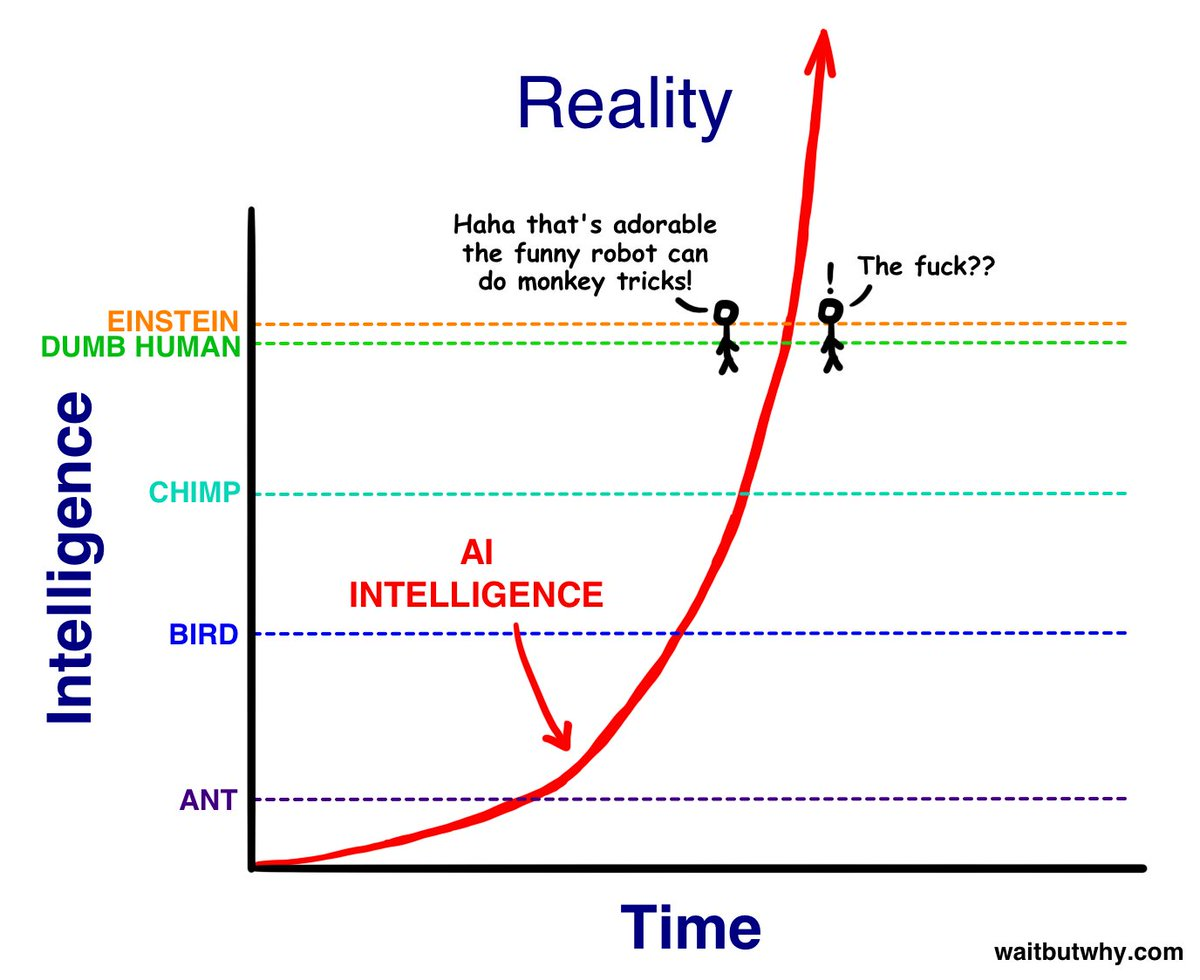
- The AI Revolution: The Road to Superintelligence. Written in 2015 (!) by Tim Urban in his signature style. Not all the details are right, but the conclusion, as summed up in his final diagram, is pretty prescient.
- The ElevenLabs Situation Is Crazy. A video post by Chris Williamson about the eerie similarity between one of ElevenLabs' most popular voices and his own. Voice rights are protected in principle, but in practice are very hard to enforce.
- Raye Says Scalpers Used AI Bots to “Overwhelm” Sign Ups For Royal Albert Hall Show as 1.8 Million Register For Tickets. Bots and automated buying have always been a problem for in-demand events. Not only are the numbers here extreme, but the added problem is also that some of the legitimate buyers probably say, "Hey Muse, please get me a ticket to the Raye concert." Agent commerce will be a thing, and we'll need infrastructure to identify who is behind each agent.
- Decision models are suddenly everywhere. OpenAI’s is now public. The quick traction gained by Jev's decision model a few weeks ago (and the numerous clone it spawned) must have rung some short alarm bells for the major model labs. Jev-style models are essentially very fast classifiers (selecting between structured outcomes rather than generating text). They are clearly useful for a broad class of problems, and so OpenAI has now released its own decision model. Hopefully it'll soon get integrated into the existing model lineup so that (at times) it can be chosen for use automatically when the problem type matches.
- Shaping the rules, standards and infrastructure that enable publishers and AI platforms to do business. An alliance of major publishers and publications, including the New York Times, The Economist, and many others, is aiming to create a framework for media use in AI. It certainly makes sense to set standards and expectations for use. A united front also helps hugely; otherwise, individual publications simply get left out in the cold if they resist while others provide content. What will likely be challenging is if the group tries to set pricing as a collective.
If you are so inclined, in China you can now schedule experiencing a natural disaster.
Wishing you a great weekend!